The first time I tried to inventory my home, I quit at the cutlery drawer. I had photographed and named four forks before I heard how absurd it sounded in my own head, and the whole project died right there, under the weight of fork number five.
The mistake wasn't laziness. It was the opposite — I was being too thorough, and thoroughness is what kills an inventory. The skill isn't logging everything. It's knowing what to leave out.
Complete is the enemy of done
Every abandoned inventory has the same cause: someone decided it had to be complete, and complete is infinite.
Your home has thousands of objects in it. Most of them are forks, spare buttons, half-used candles, and the third spatula. The cost of logging each one is small, but it's not zero — and the value of logging most of them is genuinely zero. Spend your attention on the fork and you'll run out of attention long before you reach the camera that's actually worth recording.
A half-built inventory of the wrong things is worth less than a finished inventory of the right ones.
The keep-it test
Before I log something, I ask one question: if this vanished tonight, would I care in a way a record would help with?
That comes down to three cases worth logging:
- Claim-worthy. You'd file an insurance claim if it were stolen or burned. The laptop, the camera, the bike, the ring.
- Replace-with-effort. Losing it means a hunt, a model number, a reorder — not just popping to a shop. The specific charger, the out-of-print book, the part that fits only this machine.
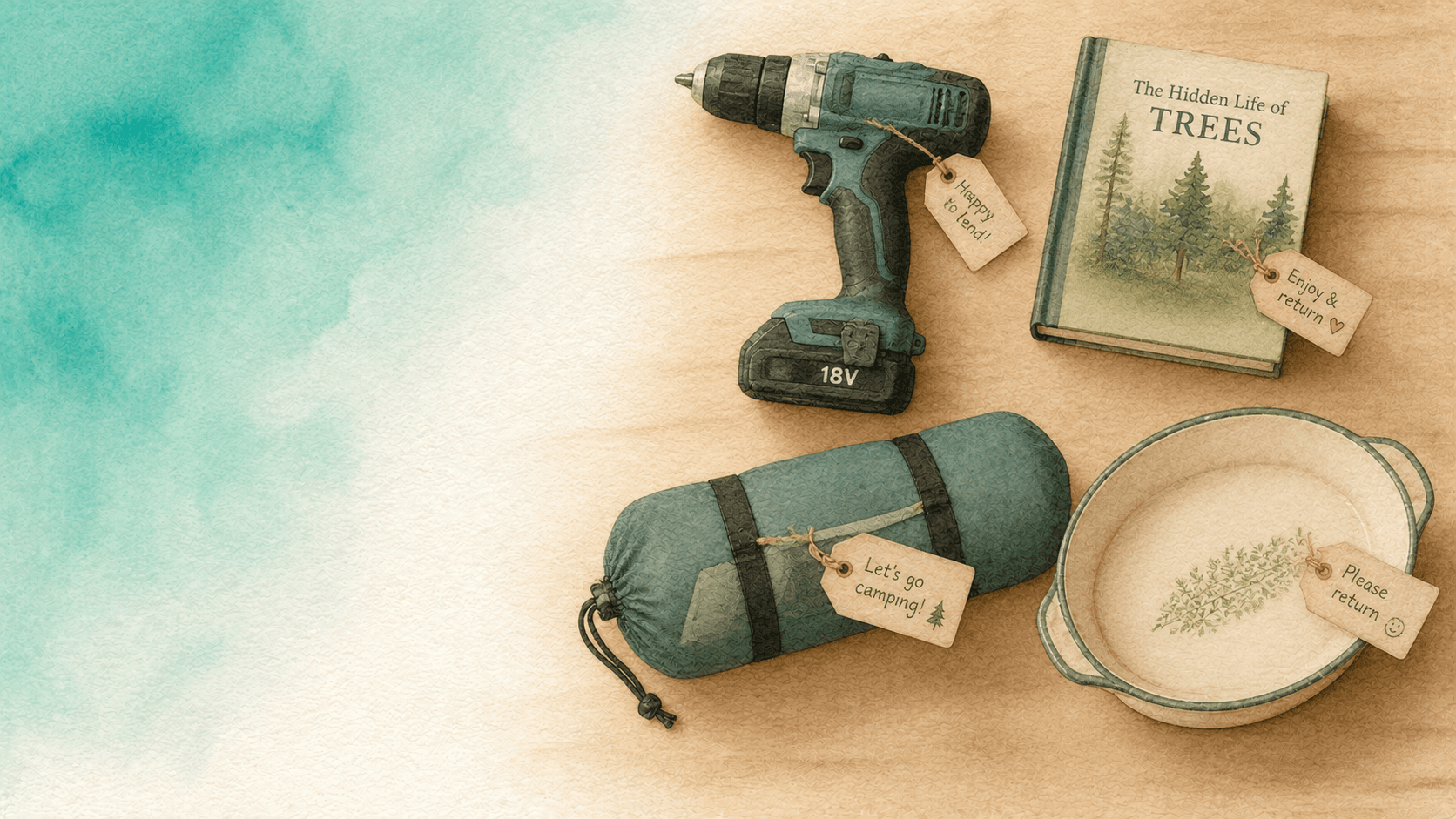
- Lose-track-able. You own it, but you genuinely forget you do, and find yourself re-buying it. The contents of the deep storage box. The spare cables. The camping gear you see once a year.
If it's none of those three, it's a fork. Skip it.
The skip-it list
Things I no longer log, on purpose:
Consumables — food, toiletries, cleaning supplies. They're gone in weeks; a record of them is out of date before you finish typing it. Cheap duplicates, where knowing you own "some" is enough and knowing you own exactly seven adds nothing. And anything you'd throw away without a second thought, which by definition you'd never file a claim for or go hunting for.
The relief of giving yourself permission to skip these is the thing that lets the inventory survive past the cutlery drawer.
Depth beats breadth
Ten items logged well beats two hundred logged lazily.
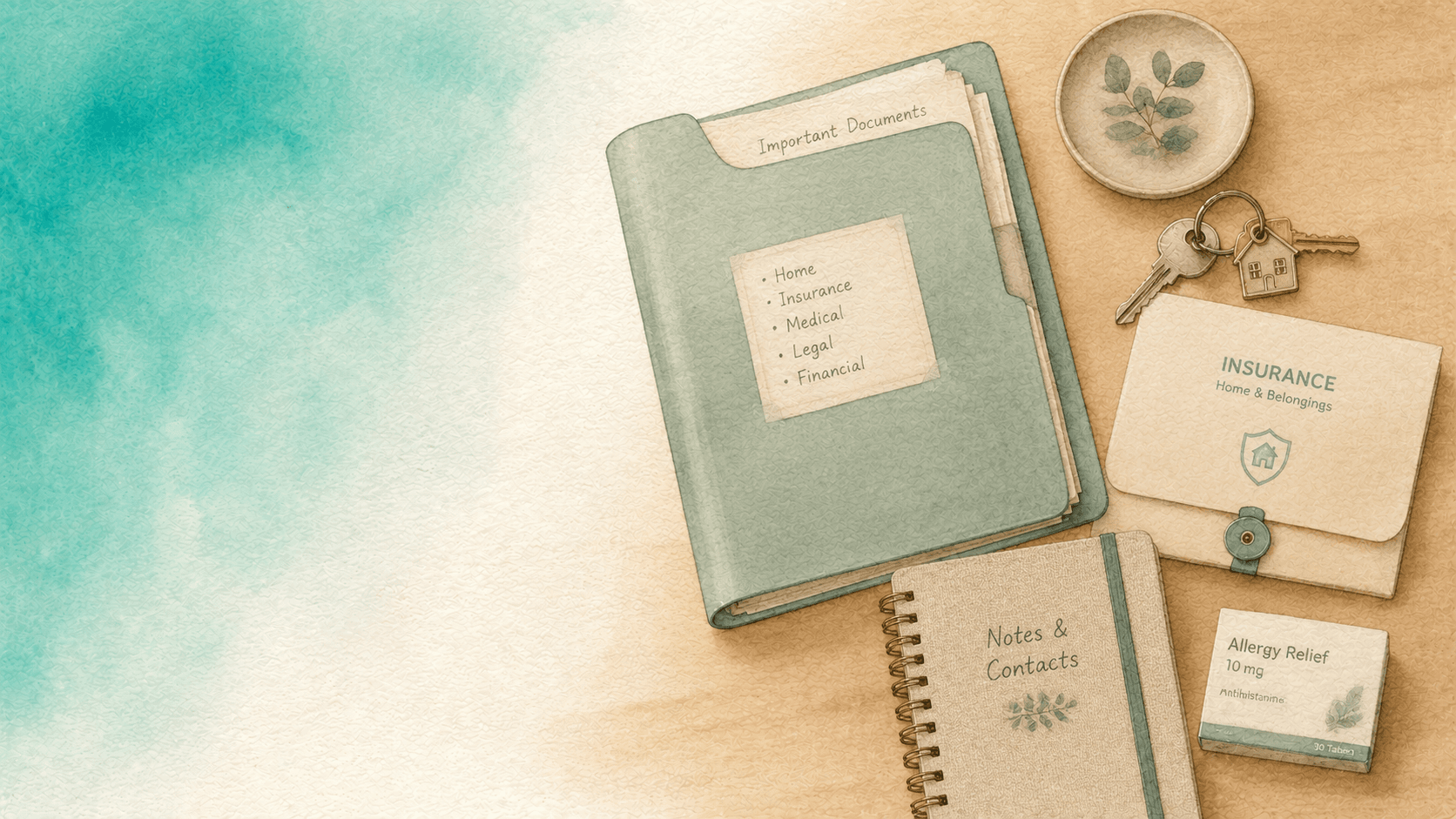
A "logged well" item has a photo you can recognise it by, a real name, and the boring details that matter later — the serial, the purchase date, where it lives. A "logged lazily" item is a blurry photo named "thing", which tells future-you nothing and won't help a claim. If you're going to spend the tap, spend it properly on something that earns it.
This is also why the bulk-grid camera fits the rule rather than breaking it: it collapses the cost per item so far that capturing a whole storage box becomes cheap — but you're still pointing it at the box you'd lose track of, not at the cutlery.
When to break the rule
There are real exceptions, and they're worth naming so you don't feel you're cheating:
A genuine collection — the cameras, the vinyl, the tools — is one where the "complete" instinct is correct, because completeness is the point of a collection. And high-churn storage you share with other people is worth over-logging, because the cost of two people not knowing what's in the garage is higher than the cost of logging it.
Outside those, hold the line. You can always add the fork later. You will not.
Log the ten that matter
The advice I'd give past-me, crouched over the cutlery drawer: close the drawer.
Walk through your home and log the ten things you'd most hate to lose or most often can't find. Stop at ten, on purpose. A finished inventory of ten real things is a working inventory; an abandoned inventory of forty forks is nothing.
If the ten feel useful in a week — and they will, the first time search finds one for you — add the next ten. Never the forks.
Install Inventory by AllKeep on Google Play and log your ten highest-value things this week. Stop there on purpose. Free on web and Android.